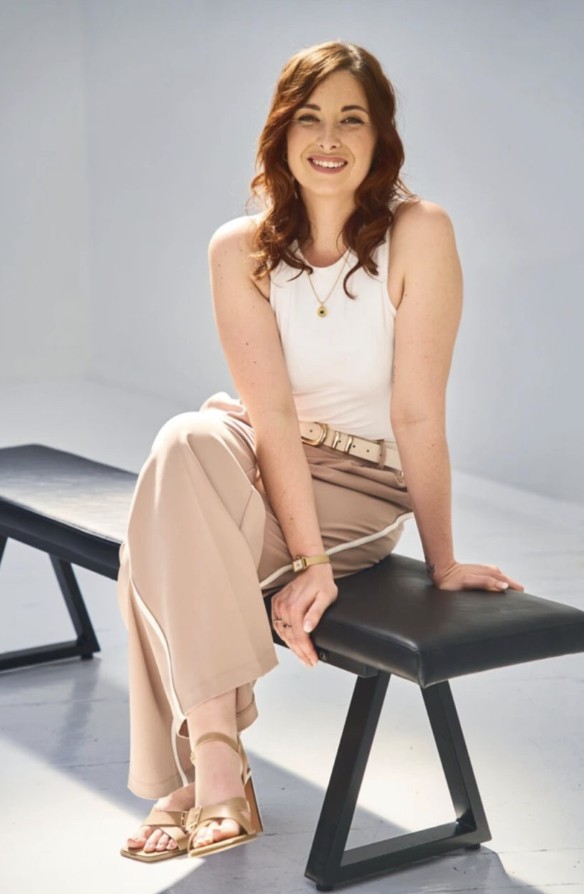
A career built by doing, not just building
I've sat on the other side of the table — as a business owner, a client, and someone figuring it out one chaotic day at a time. That shapes everything I build.
TV & Live Events Production
I spent ten years in television and live events — a world that runs on split-second decisions, immovable deadlines, and systems that have to work every single time. There's no "we'll fix it in post" when something's going out live.
That environment teaches you something that's hard to learn anywhere else: how to make complex things feel simple. How to build a process that holds under pressure. How to bring together different people, tools, and moving parts so that everything lands exactly as it should — even when things are changing around you.
"The chaos is familiar. What I build now is the toolkit I always wished I'd had."
It also gave me a deep appreciation for systems that are actually used. The best production workflow in the world is worthless if the crew won't follow it. The same is true of the digital systems I build today.
Mobile Coffee Van
Running a mobile coffee business taught me more about small business reality than any course ever could. You're the owner, the barista, the accountant, the marketing team, the person doing stock runs before the sun comes up, and the one chasing up the event booking that never confirmed.
Every hat, all at once, every day. There's no admin team. No IT department. No one to call when something breaks. You just figure it out and keep going.
That experience is the reason I understand my clients so well. When someone tells me they're drowning in enquiries they can't keep up with, or spending Sunday evening doing invoices instead of resting, I'm not nodding politely — I genuinely know exactly what that feels like.
Business Development Manager
Working in business development gave me a different kind of visibility — sitting across from decision-makers, understanding what growth actually looks like from the inside, and seeing where businesses lose momentum as they scale.
It sharpened my ability to ask the right questions before diving into solutions. Good BDM work is fundamentally about diagnosis before prescription — you don't pitch what you have, you find out what they need. That's exactly how I approach a new project.
Virtual Assistant
Working as a VA gave me a front-row seat inside multiple small businesses at once. And the same problems kept coming up, over and over again — regardless of industry, regardless of how talented the person running the business was.
Enquiries getting lost. Clients slipping through the cracks. Hours spent on tasks that should have been automated years ago. Tools that cost money every month but barely got used because no one had set them up properly.
That's when I started learning automation, AI, and systems design properly. Not because it was the hot thing to do, but because I was watching talented people waste enormous amounts of time on problems that were genuinely solvable.
"I didn't pivot into tech because it was trendy. I did it because I couldn't keep watching the same problems go unsolved."
Sprinkl Digital
Sprinkl Digital is where all of those chapters converge. The systems thinking from production. The empathy from running my own business. The commercial eye from BDM. The operational insight from VA work. And the technical skills I've built — and continue to build — on top of all of it.
I work with creative business owners who are brilliant at what they do and need the operational side to match. And with growing companies that need something genuinely custom — tools built around how they actually work, not the other way around.
Every project starts with a conversation. I want to understand your business before I suggest anything. And if I don't think I'm the right fit, I'll tell you.